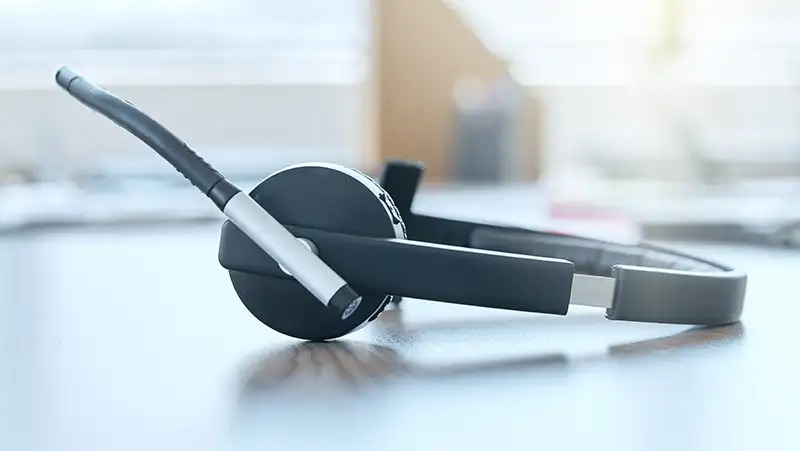
If your drive-thru team often says, “Can you repeat that?” or customers complain about poor audio, your headsets themselves might not actually be the root problem. For many quick-service restaurants (QSRs), issues with drive thru headsets are a regular headache.
Static, dropped signals, short battery life, and frequent repairs can slow down service and frustrate both staff and customers. Worse, downtime can hurt your speed of service and, ultimately, your sales.
Naturally, when such problems occur, many owners and managers assume it’s time to repair or replace the equipment. But in our experience at Carolina Georgia Sound (CGS), most headset failures have a different cause.
The biggest, most costly mistake QSRs make isn’t buying the wrong headsets.
It’s neglecting proper staff training and maintenance habits.
In this guide, we’ll explain why this is the #1 culprit behind headset breakdowns, how to fix it, and what you can do to keep your headsets (and your service) running smoothly for as long as possible.
Common Headset Problems QSRs Face
Drive thru headsets take a lot of daily wear and tear. Even the best equipment can run into problems, especially in fast-paced environments with frequent staff changes.
Here are the most common issues QSRs encounter:
Poor Audio Quality
Static, background noise, or muffled sound can make it hard for staff and customers to understand each other. This often leads to order mistakes and longer service times.
Dropped Connections or Dead Zones
Weak signals or equipment interference can cause headsets to cut out or lose connection entirely, disrupting the order process.
Short Battery Life
Over time, headset batteries may not hold a charge as well. Poor charging habits (like overcharging or letting batteries run completely dead) can speed up this decline.
Frequent Repairs or Breakdowns
If your drive thru headsets are frequently in the shop for repairs (or if you have a growing pile of broken units) it’s a sign of deeper issues.
Downtime Impacting Service
When headsets aren’t working correctly, your speed of service suffers. Customers may experience delays, which can hurt satisfaction and lead to lost sales.
While some of these issues are natural with aging equipment, many can be traced back to preventable causes—especially improper handling and lack of maintenance.
The #1 Mistake: Neglecting Staff Training and Maintenance
Many QSR owners and managers assume headset problems are just a sign of old or low-quality equipment. But in reality, the most common cause of premature headset failure is poor handling and maintenance habits.
Here’s how it happens:
Frequent Staff Turnover
In fast-paced QSR environments, new employees often receive little to no training on properly using and caring for headsets. Without clear instructions, headsets get dropped, overcharged, or mishandled daily.
Rough Handling
Headsets are delicate electronics. Tossing them on counters, bending the microphone booms excessively, or yanking cables can quickly lead to damage, even on newer models.
Improper Charging Habits
Leaving batteries charging for too long, using non-approved chargers, or letting batteries completely drain before recharging can all shorten battery lifespan and reduce performance.
No Regular Maintenance Routine
Many locations lack a basic maintenance checklist. Without regular cleaning, inspections, and minor adjustments, small issues (like loose connectors or cracked casings) can turn into major failures.
Assuming Replacement Is Always the Answer
Replacing broken headsets without addressing the root cause (improper use) only leads to repeating the same costly cycle.
The result is that QSRs end up spending far more on repairs and replacements than necessary and still deal with recurring problems.
How to Prevent Headset Problems Before They Start
The good news is that most headset problems can be prevented (or at least minimized) with a few simple, proactive steps.
Here’s what we recommend at CGS:
1. Train Every Staff Member on Proper Use
Make headset care part of your onboarding process. Teach all new employees:
- How to properly wear, handle, and adjust headsets
- How to avoid dropping or bending delicate parts
- How to store headsets safely when not in use
(Tip: A 10-minute training video or quick demo can prevent hundreds of dollars in repairs down the line.)
2. Establish Smart Charging Habits
Create clear charging guidelines, such as:
- Use only approved chargers
- Avoid overcharging (remove from charger once fully charged)
- Rotate batteries if you have spares to avoid overuse
3. Create a Simple Maintenance Checklist
At least once a week (or daily for high-traffic locations), assign someone to:
- Check for loose or damaged parts
- Clean headsets gently with approved wipes
- Inspect charging connections
4. Report Issues Early
Encourage staff to report small problems before they become big ones. Crackling audio or a slightly loose microphone is easier (and cheaper) to fix early.
5. Partner With a Reliable AV Provider
Work with a trusted AV partner like Carolina Georgia Sound (CGS) for regular inspections, preventative maintenance, and quick repairs. We can also train your staff on best practices and suggest upgrades only when needed.
When It’s Time to Repair, Upgrade, or Replace
Even with the best care, no headset lasts forever. But knowing when to repair, upgrade, or fully replace can help you control costs and avoid unexpected downtime.
Repair when:
- The problem is minor (e.g., loose wiring, cracked casing, or battery replacement).
- The headset is still within its expected lifespan (typically 3–5 years minimum).
- Repairs are inexpensive compared to replacement.
Upgrade individual components when:
- Specific parts (like batteries or earpads) are worn, but the core headset still works well.
- You want to add new features (like noise-canceling microphones or longer battery life) without replacing everything.
- Your budget supports small, phased improvements.
Replace the headset when:
- Headsets are beyond their typical lifespan and are experiencing frequent issues.
- Repairs are becoming too frequent or costly.
- Technology upgrades (like advanced noise cancellation or integration with timing systems) can significantly improve staff performance and customer experience.
(Tip: If more than half your headsets are having problems—or if repair costs are approaching the price of new units—it’s usually smarter to replace them.)
Why Work With CGS?
Your drive thru headsets are mission-critical. But when they start failing (or aren’t used properly), they can quietly chip away at speed, accuracy, and even customer loyalty.
That’s where Carolina Georgia Sound (CGS) comes in.
When you work with us, you get:
- Honest assessments. We’ll tell you whether your headsets can be repaired, should be upgraded, or need replacing.
- Custom solutions. We recommend systems that fit your team size, traffic volume, and budget.
- Staff training. We help your team learn how to handle and maintain headsets to extend their lifespan.
- Full-service support. We’ve got you covered from selection and installation to repairs, maintenance, and future upgrades.
- Future-ready planning. We’ll help you invest in equipment that works today and grows with your business.
Our mission is to keep your drive-thru running smoothly while controlling costs and improving team performance.
Think your drive-thru equipment might need repairs, upgrades, or replacements?
Book a free consultation with a CGS expert. Let’s review your current drive thru system and explore the most cost-effective next steps.