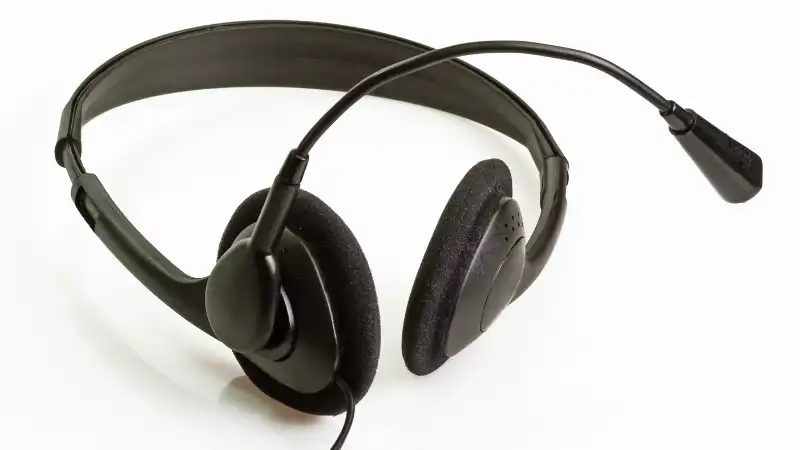
If you've ever worked a lunch rush at a quick-service restaurant, you know this: when the drive thru headset fails, everything slows down.
Drive thru headsets are the frontline of communication between your crew and customers. A good system keeps orders flowing, minimizes mistakes, and helps your team stay in sync.
Meanwhile, a bad system causes frustration, confusion, and lost sales. With numerous options available on the market (from wireless all-in-ones to comprehensive digital systems), it's not always clear which solution is best suited for your restaurant.
In this guide, we'll walk you through the most common drive thru headset types, break down their pros and cons, and help you choose a system that supports your team rather than slowing them down. (visit our drive-thru maintenance and repair page)
What Actually Matters in a Drive Thru Headset
The right drive thru headset system isn’t about bells and whistles; it’s about reliability when you need it most. The best system for your restaurant is the one that works consistently during your busiest hours and keeps your team moving without hassle, no static, no confusion, no battery drama.
Here's what to look for if you want gear that helps your team stay sharp under pressure:
Clear, Reliable Audio
If your team can't hear the customer (or if the customer hears static instead of a friendly greeting), everything else falls apart. Look for headsets with noise-canceling microphones and digital signal processing (DSP) to reduce interference from kitchen noise, traffic, and weather.
Long Battery Life
Nothing derails a rush like a dead headset. Select systems with hot-swappable batteries, fast charging options, and sufficient backup units to rotate throughout the day without downtime.
Hands-Free Convenience
Crew members need to move fast without fumbling with buttons. Good systems support push-to-talk and hands-free modes, letting your team focus on service.
Durability and Ease of Use
These headsets get dropped, splashed, and worn for hours at a time. Look for gear that's water-resistant, grease-tolerant, and crew-friendly, with straightforward controls and training that takes minutes—not hours.
Scalability and Integration
Are you adding a second lane? Want to connect your headset system with timers, cameras, or POS alerts? Choose a system that can grow with your business and support integrations when you're ready.
Support and Maintenance
The best system in the world isn't helpful if it takes a week to resolve an issue. Ensure your provider offers local support, fast part replacement, and training, especially if your location operates on extended hours.
The 5 Most Common Drive Thru Headset Options
Not every restaurant needs the same headset system. Some prioritize speed. Others need durability. Some are preparing for dual lanes or new integrations. Here's a breakdown of the five most common types of drive thru headset systems in 2025: what they are, how they function, and where they are best suited.
1. All-in-One (AIO) Wireless Headsets
These self-contained units combine the mic, speaker, controls, and battery into a single wireless headset. No belt pack required.
Pros:
- Lightweight and easy for crew to wear
- Fewer parts to manage or misplace
- Quick training and setup
- Excellent for high-speed operations
Drawbacks:
- Batteries are built-in (though often swappable), so charging logistics matter
- Not as customizable as belt-pack models
AIO wireless headsets are best for single or dual-lane QSRs that want a modern, low-maintenance solution.
2. Belt-Pack Systems
These headsets are connected to a separate, belt-mounted unit that handles controls, power, and signal transmission.
Belt-pack systems still have their niche, suitable for restaurants with legacy infrastructure or high-noise environments.
Pros:
- Often more rugged and modular
- Easier to replace individual components
- Still widely supported for older systems
Drawbacks:
- More gear per person (less streamlined)
- More potential failure points (loose cables, damaged clips)
3. Digital Noise-Canceling Headsets
Digital noise-canceling headsets utilize digital signal processing (DSP) to enhance speech and automatically cancel background noise.
Pros:
- Clearer conversations in loud environments
- Reduces static, wind noise, and kitchen clatter
- Boosts accuracy for orders
Drawbacks:
- Usually part of a higher-end system
- May require updated base stations or infrastructure
Digital noise-canceling headests are best for busy restaurants with loud kitchens, outdoor ordering kiosks, or drive-thrus near traffic.
4. Hands-Free Team Communication Systems
These systems let crew members talk to each other and customers at the same time, hands-free.
Hands-free systems are best suited for high-volume locations or restaurants with multiple windows or lane setups, where internal communications are as important as customer communications.
Pros:
- Improves workflow and coordination
- Reduces dropped orders and miscommunication
- Ideal for fast-moving, multi-role teams
Drawbacks:
- Higher cost
- Requires training and buy-in from the crew
5. Scalable or Hybrid Systems
These systems are built to grow. They may support cloud-based management, timer integration, CCTV feeds, and multi-lane configurations.
Scalable or hybrid systems are ideal for franchise operators, chains, or growing brands seeking to standardize operations across multiple locations.
Pros:
- Highly flexible and future-ready
- Add features over time (remote alerts, cloud diagnostics, etc.)
- Often includes advanced analytics and reporting
Drawbacks:
- Higher up-front investment
- May require integration assistance
Choosing the Right System for Your Restaurant
With so many options available, the best drive thru headset system for your team comes down to one thing: fit.
Here's a quick checklist to help narrow down your choices:
How many drive-thru lanes do you have (or plan to add)?
- Single-lane setups often do well with AIO headsets.
- Dual-lane or multi-window setups may benefit from scalable or hands-free team systems.
What's your biggest frustration with your current system?
- If it's static or poor audio, prioritize DSP-equipped headsets with noise cancellation.
- If it's batteries dying mid-shift, choose models with hot-swappable, long-lasting power options.
- If it's slow crew communication, team-based comms can speed up service.
Are you replacing a legacy system or starting fresh?
- If you're working with older infrastructure, belt-pack systems or hybrid upgrades may save costs.
- For new builds or full overhauls, AIO or cloud-connected systems give you a clean slate and future-ready options.
Do you need to integrate with timers, cameras, or other tech?
Choose systems with integration-friendly platforms or cloud-based management tools.
How tech-savvy is your team?
- The more intuitive the interface, the faster your crew gets up to speed.
- Systems with minimal controls and clear training support are key in high-turnover environments.
The right headset system should simplify operations, not add to your daily headaches. That's why working with a knowledgeable partner can make all the difference.
Why QSRs Trust CGS
Choosing the right drive thru system is about making sure it works for your team, your layout, and your service goals. That's where CGS comes in.
At Carolina Georgia Sound, we've helped quick-service restaurants across the Southeast upgrade and maintain their communication systems, keeping lanes moving and customers happy.
Whether you're replacing outdated gear or planning for a second lane, we'll guide you through the options, demo the systems, and handle the installation from start to finish.
More importantly, we stick around after the install, offering fast local support, repairs, and system training to make sure your crew stays confident and your headset system stays reliable.
Ready to upgrade your drive-thru experience? Let's talk. Contact CGS today to schedule a complimentary consultation.