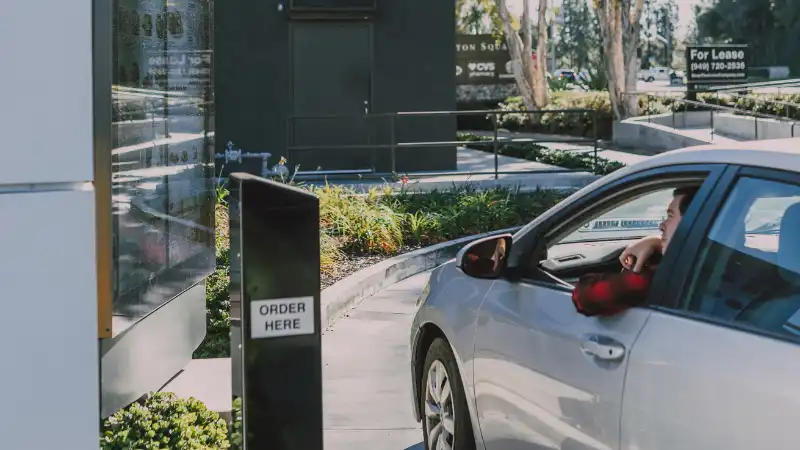
From "duplex" to "loop detectors" to "DSP," the jargon around drive thru intercom systems can get overwhelming fast, especially when trying to keep a restaurant running smoothly.
Understanding these terms isn't just for tech people. It helps QSR managers make smarter decisions when upgrading their gear, troubleshooting issues, or training their crew. In a business where seconds matter, knowing what each part of your intercom system does (and how it all fits together) can mean the difference between a smooth lunch rush and a bottlenecked mess.
This guide breaks down the most common drive thru intercom terms in plain English so you can communicate confidently with vendors, avoid being upsold, and choose the right setup for your location.
Why It's Important to Understand Intercom Terminology
Quick-service restaurant (QSR) managers wear many hats: shift leader, trainer, problem-solver, and often, tech troubleshooter. So when the intercom system starts glitching, or it's time to choose a new one, understanding the basic terminology puts you in control.
Here's why understanding intercom terminology matters:
- You'll communicate better with vendors. No more nodding along when they mention "full duplex" or "noise gating." You'll know exactly what they're selling and whether you really need it.
- You can troubleshoot issues faster. Is the problem with the loop detector, the base station, or the headset? Knowing the terms helps you pinpoint and fix problems quicker (or explain them more clearly to tech support).
- You'll make smarter upgrade decisions. When you're comparing systems, understanding what each feature actually does helps you choose based on performance, not just price.
- You can train your team better. Explaining how and why the intercom works the way it does makes it easier to get crew buy-in and reduces operator error.
In short, a little AV literacy helps your drive-thru run faster, smoother, and with fewer headaches.
Common Drive Thru Intercom Terms Explained
Let's break down the most common terms you'll hear when dealing with drive-thru communication systems and what they mean for your day-to-day operations.
1. Base Station
This is the central control unit that powers and manages all headsets, speakers, and microphones in your system. It's usually located inside the restaurant.
Why it matters: A high-quality base station ensures stable connections, smooth communication, and easy pairing with headsets.
2. Headset
These are the wearable devices your crew uses to talk to customers and each other. Modern systems use either all-in-one wireless headsets (everything is built in) or belt-pack systems (with separate control units clipped to the waist).
Why it matters: Lightweight, comfortable headsets with noise cancellation and long battery life make a huge difference during rush hours.
3. Speaker Post / Order Point
The outdoor station with a microphone and speaker where customers place their orders.
Why it matters: Clear audio here prevents misheard orders and improves the speed of service.
4. Loop Detector
A sensor installed in the ground that detects when a car pulls up. It tells the system to activate the speaker and alert your team.
Why it matters: If customers wait too long before being greeted, they may drive off. A working loop detector helps avoid that.
5. Duplex Communication
This refers to how audio flows in your system:
- Full Duplex = Both parties can talk and hear at the same time (like a phone call).
- Half Duplex = Only one party can speak at a time.
Why it matters: Full duplex makes conversations more natural and prevents accidental interruptions.
6. Noise Cancellation / Noise Gating
These features help eliminate unwanted background sounds, such as kitchen noise, wind, and traffic.
Why it matters: Clear audio = fewer mistakes, faster orders, and happier customers.
7. Lane Support
If you have a dual-lane or split-lane setup, your system needs multi-lane support to manage simultaneous orders from different lanes.
Why it matters: Not all intercom systems can effectively handle multiple lanes. This is a must-have for growing locations.
8. Echo Cancellation
This feature prevents your voice from bouncing back and repeating in the headset.
Why it matters: Reduces confusion and keeps communication clear under pressure.
How These Terms Affect Your Operation
Understanding the lingo is one thing. Knowing how it impacts your restaurant's day-to-day is where the real value lies. Let's look at how each of these drive-thru terms affects speed, accuracy, and team performance.
Base Station Quality Affects System Reliability
If your base station is outdated or overworked, you might experience dropped connections, lag, or interference. A reliable base station keeps things running smoothly, even during peak hours.
Comfortable, Durable Headsets Keep Staff Happy
Your crew wears these for hours. If they're too heavy, hard to use, or constantly dying mid-shift, it adds stress. Investing in ergonomic, noise-canceling headsets improves morale and minimizes errors.
Clear Speaker Posts Mean Fewer Misheard Orders
If customers can't hear your team (or vice versa), you'll deal with repeated orders, upsell failures, and inaccurate tickets. A crisp, weatherproof speaker post avoids all of that.
Loop Detectors Speed Up Service Times
Without loop detection, your crew has to guess when a customer has arrived. That slows everything down. A working loop detector gets the order process started immediately: no delays, no drive-offs.
Full Duplex Means Fewer Interruptions
In high-volume settings, simultaneous two-way communication enables staff to confirm orders quickly without interrupting each other. It's a small feature with a big impact on efficiency.
Noise Cancellation Improves Order Accuracy
Wind, blenders, fryers, and passing trucks can all interfere with communication. Headsets and speakers with strong noise-canceling features reduce "pardon?" moments and speed up throughput.
Multi-Lane Support Prevents Bottlenecks
If you're running two lanes, your system needs to handle it. Without proper lane control, orders get crossed or delayed. Multi-lane support ensures seamless operation even with split crews or high traffic.
Echo Cancellation Keeps the Focus on the Customer
No more hearing your own voice echo back. With echo cancellation, your crew can stay focused on the customer, not their own feedback loop. Echo cancellation keeps communication natural and focused, reducing distractions and cognitive load.
Why Work With Us
Drive-thru communication systems might seem simple until you try to diagnose a static-laced headset during lunch rush or figure out why lane two isn't picking up cars.
That's where working with a qualified AV partner makes a huge difference.
At Carolina Georgia Sound, we don't just sell parts. We assess your setup, recommend the right systems for your layout and traffic, install everything properly, and stick around for support. We've helped dozens of QSRs across the Southeast:
- Reduce order errors with better audio
- Upgrade from outdated systems without disrupting service
- Add second lanes and time-saving integrations
- Train new staff fast with intuitive equipment
Need a second opinion on your drive-thru setup? We'll walk you through it. Contact CGS today to schedule a free consultation.