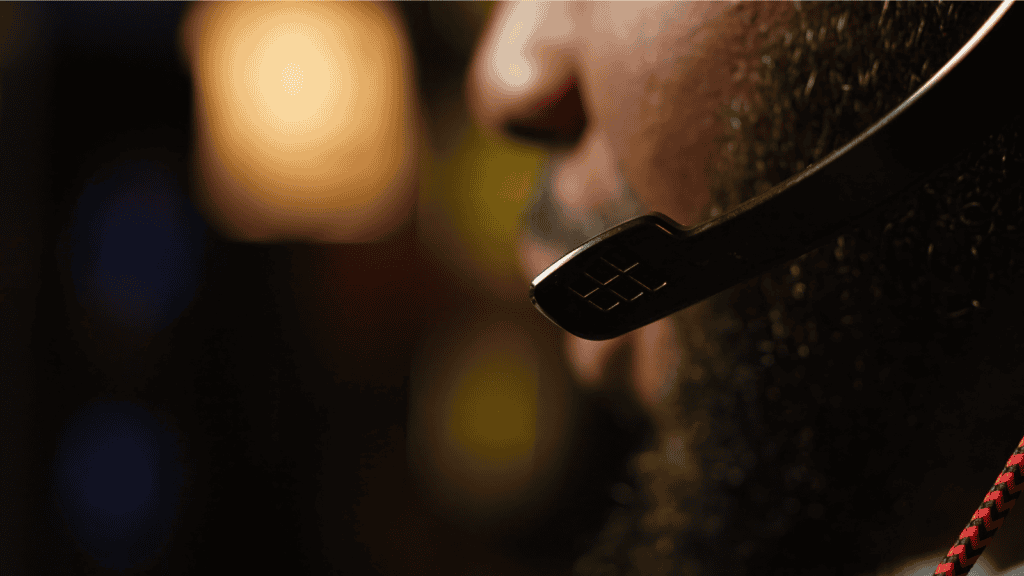
Drive-thru headsets are the most-used piece of technology in a restaurant. They are worn for an entire shift by multiple crew members, charged and discharged daily, and exposed to a kitchen environment that is hard on electronics. And they are almost never assessed until something obvious goes wrong.
The problem is that headset degradation is gradual. The way it affects your operation is not.
How Headset Performance Degrades
A headset that was performing well when it was installed starts to drift in ways that do not trigger an obvious alarm. Battery capacity drops incrementally. Audio clarity on the speaker post degrades slowly. Headset range shrinks as components age, creating dead zones in the kitchen that the crew works around without naming them as a headset problem.
The crew adapts. They ask customers to repeat themselves a little more often. They develop habits that compensate for the range gap. Managers notice the order accuracy issues and the slightly slower transactions without connecting them to the headset system. The headsets are working. Nothing is broken. The problem is invisible in every metric except the ones that actually matter: transaction time and order accuracy.
The Performance Numbers
A 30-second delay in drive-thru service costs a single location approximately $32,000 per year in lost revenue. That number gets cited a lot in QSR operations conversations, but what operators often underestimate is how much of that delay originates in communication friction at the headset.
When a crew member has to ask a customer to repeat an order, the transaction does not just slow down by the time it takes to repeat the item. The kitchen loses the rhythm of the order. The confirmation sequence gets disrupted. The customer experience degrades in a way that affects satisfaction scoring independent of the time delay. Headset performance sits at the front of every transaction. Its effects compound.
HME Systems and What Drives Lifespan
HME drive-thru communication systems are the standard in most McDonald's and QSR environments. Like any technology, their components have a lifespan that depends on how well they are maintained.
The factors that accelerate headset degradation:
- Battery cycling - headsets that are charged at the wrong times or left on chargers past full charge lose battery capacity faster
- Physical handling - headsets that are set down hard, stored improperly between shifts, or not cleaned regularly degrade faster
- Kitchen environment - heat, grease, and moisture affect components over time in ways that are not obvious until performance drops
- Base station maintenance - a base station that has not been serviced regularly affects headset performance even when the headsets themselves are in good condition
A technician who assesses a drive-thru communication system properly does not just look at the headsets. They assess the full system: headsets, base station, speaker post, and the integration with the drive-thru timer if one is in place.
Signs Your Headset System Needs Attention
You do not need a technician to identify the obvious warning signs. These are worth acting on immediately:
- Any crew member is regularly asking customers to repeat orders
- Headset battery warnings are appearing earlier in the shift than they used to
- Crew members have developed a preference for certain headsets and avoid others
- There are spots in the kitchen or at the presenter's window where audio cuts out
- The system has not been professionally assessed in more than 12 months
- Headsets are more than three to four years old
If any of those apply, the right step is a system assessment, not an assumption about what needs to be replaced. A professional assessment tells you what is performing, what is degrading, and what the actual fix is.
What Proactive Headset Management Looks Like
The QSR operators who consistently avoid headset-related performance problems are not doing anything complicated. They have a service relationship with a provider who checks the system on a schedule. They know their headset baseline performance. And they have a replacement plan that is based on actual component lifespan, not on waiting for something obvious to break.
CGS maintains drive-thru communication systems for QSR operators across Georgia, South Carolina, and Ohio. We have OTP Pro certified technicians on staff and a 97% first-trip resolution rate. If your headset system has not been assessed recently, or if you are noticing the warning signs above, contact us. We will tell you exactly what you have and what it needs.
Seeing the Warning Signs? Get Your Headset System Assessed.
CGS maintains drive-thru communication systems for QSR operators across Georgia, South Carolina, and Ohio. We have OTP Pro certified technicians on staff and a 97% first-trip resolution rate. If your headset system has not been assessed recently, contact us. We will tell you exactly what you have and what it needs. Call or text 1-800-277-9444 or visit cgsvideo.com.
Request a Headset Assessment
About the Author
Written by Grant Wycliff, President of CGS. Grant works with QSR operators across Georgia, South Carolina, and Ohio on drive-thru communication systems, headset maintenance, and OTP-certified technology service. CGS is a McDonald's OTP-approved technology partner with OTP Pro certified technicians on staff maintaining HME drive-thru systems across the region. Connect with us on LinkedIn.